
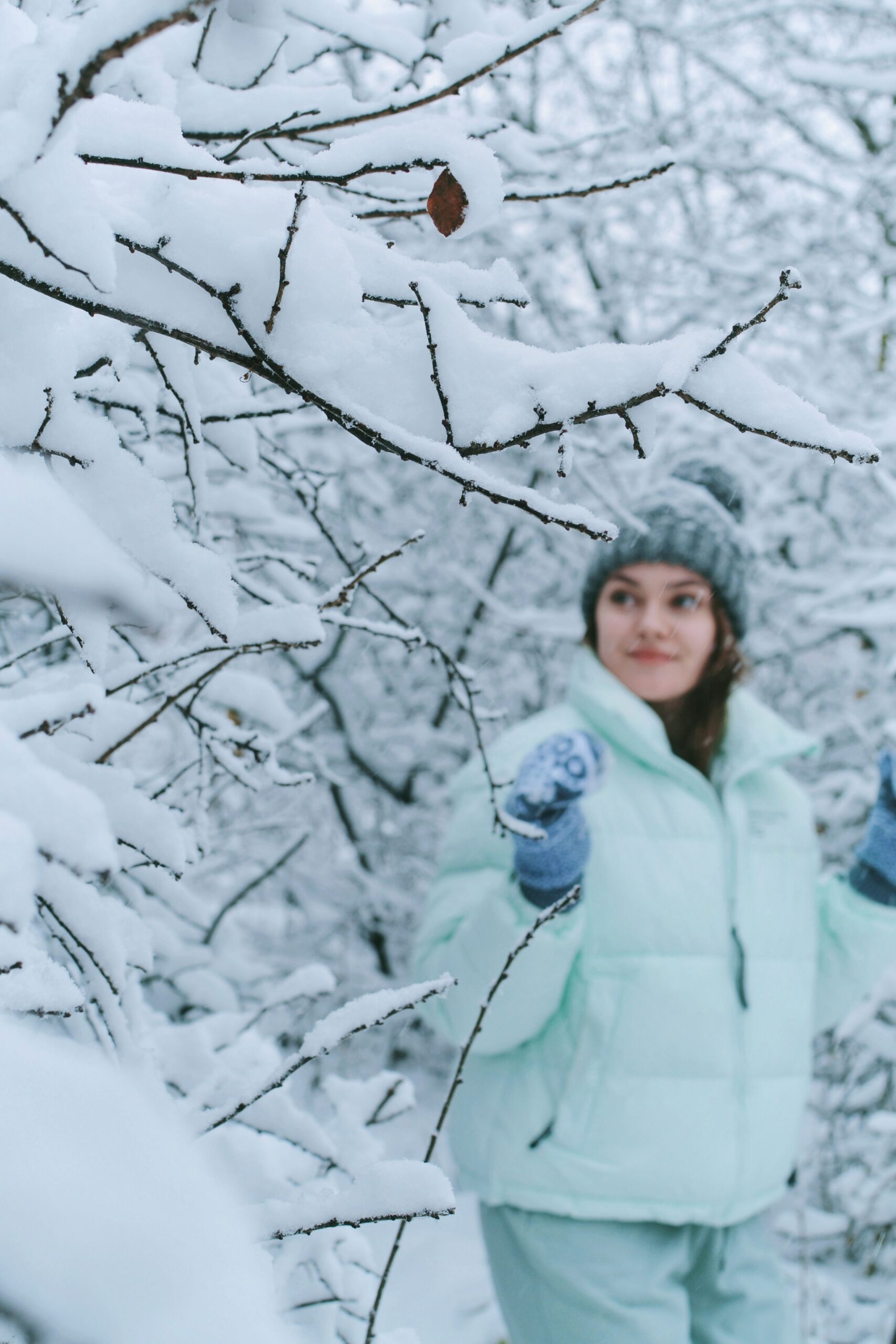
Winter can be one of the most beautiful times of year to explore the outdoors. Snow-covered hiking trails, crisp morning walks, peaceful forests and cosy camping trips all have their own appeal.
But cold-weather adventures also require a little extra preparation. From choosing the right layers to planning bathroom stops, staying comfortable in winter takes more thought than it might during the warmer months.
For women who enjoy outdoor activities, learning to pee standing up can be another practical skill worth considering.
At Stand2Pee, we believe women can learn to pee standing up without special devices or gadgets. Here’s how to prepare for winter adventures, stay comfortable and make sensible bathroom plans when temperatures drop.
Why winter bathroom breaks can be challenging
Cold weather can make ordinary outdoor activities more demanding.
Taking off layers, managing bulky clothing and finding a suitable bathroom can all feel less convenient when temperatures are low.
If you’re hiking, skiing, camping or exploring somewhere remote, bathroom facilities may also be less accessible than they are at home.
That’s why planning ahead matters.
Rather than waiting until you urgently need a bathroom, think about where facilities are located along your route and what you’ll need to stay comfortable.
1. Choose practical winter clothing
What you wear can make a significant difference to your comfort outdoors.
Winter clothing often involves several layers, including thermal leggings, base layers, trousers, jackets and insulated outerwear. While these are important for keeping warm, they can make bathroom breaks more complicated.
A few clothing considerations can help:
Choose manageable layers. Clothing that’s relatively easy to adjust can make bathroom breaks less awkward. Avoid complicated combinations if you know you’ll be spending long periods outdoors.
Consider flexible fabrics. Stretchy trousers and comfortable base layers can allow more freedom of movement than stiff or restrictive clothing.
Think about your outerwear. Long coats and bulky jackets may need to be secured or moved out of the way when using bathroom facilities.
Plan your outfit before leaving. If you’re going on a long hike or camping trip, consider how practical your clothing will be when nature calls.
If you’re learning to pee standing up, practising in comfortable clothing first can help you understand what works for you before introducing bulky winter layers.
2. Plan bathroom stops before your adventure
One of the simplest ways to make winter outings more comfortable is to plan ahead.
Cold weather isn’t the ideal time to discover that the nearest public toilet is several miles away!
Before setting off:
- Check where public toilets and visitor facilities are located.
- Find out whether facilities are seasonal or have restricted opening hours.
- Plan suitable breaks into longer walks or journeys.
- Identify appropriate stopping points along your route.
- Carry basic hygiene supplies.
- Have a backup plan in case your original route or facilities are unavailable.
This is particularly important when visiting national parks, remote trails and winter camping locations.
Learning a new skill can give you another option, but it shouldn’t replace sensible planning.
3. Could learning to pee standing up help in winter?
It may be useful in certain circumstances.
Women can learn to pee standing up without relying on a funnel or special device. For women who spend time hiking, camping or travelling, knowing how to do this may offer another option when suitable toilet facilities are limited.
However, winter clothing can make the technique more challenging.
Bulky layers, gloves, thick trousers and reduced mobility may all affect comfort and positioning. This is why it’s sensible to learn the basics in a familiar environment before attempting to use the skill outdoors.
If you’re interested in learning, take your time and practice when you’re comfortable rather than waiting until you’re cold, rushed or far from facilities.
4. Keep your hands warm and your hygiene supplies accessible
Winter conditions can make even simple tasks feel awkward.
Cold fingers, thick gloves and multiple clothing layers can make it harder to manage personal belongings and hygiene supplies.
Consider keeping essential items somewhere easy to reach.
A small personal hygiene kit might include:
- Toilet paper or tissues.
- Hand sanitiser for situations where soap and water aren’t available.
- Any personal hygiene items you normally use.
- A small bag for carrying out used supplies where appropriate.
Remember that hand sanitiser is not a complete replacement for washing your hands with soap and water when facilities are available.
If you’re outdoors, follow local guidance for waste disposal and avoid leaving tissues or other materials behind.
5. Don’t let cold weather distract you from staying safe
When you’re outside in winter, warmth and safety should always come first.
Before setting out, check the weather forecast, dress for the conditions and make sure your route is appropriate for your experience and equipment.
Keep these points in mind:
- Wear suitable footwear with good traction.
- Bring extra layers in case conditions change.
- Carry enough water and food for your planned activity.
- Tell someone where you’re going if you’re heading somewhere remote.
- Avoid isolated or unsafe locations for bathroom breaks.
- Don’t compromise your balance or expose yourself to dangerous conditions just to avoid a longer walk to a toilet.
If you’re cold, exhausted or struggling with your clothing, prioritise getting somewhere safe and comfortable.
6. What about winter camping?
Winter camping can be an amazing experience, but bathroom arrangements deserve extra thought.
Before your trip, find out what facilities are available at your campsite. Some locations have winter closures, limited services or specific rules about bathroom use.
If you’re camping somewhere without conventional facilities, check the land manager’s guidance before you go.
Think about privacy, hygiene, waste disposal and the environmental impact of your choices. Never assume that outdoor urination is permitted everywhere, and avoid doing so near water sources or in places where it could affect other visitors or wildlife.
If you know how to pee standing up, that may be another skill in your toolkit, but preparation and responsible outdoor practices remain essential.
7. Practice before your winter adventure
If you’re curious about learning to pee standing up, winter is not necessarily the best time to make your first attempt outdoors.
Instead, start somewhere familiar and private, where you can concentrate on learning without worrying about cold weather or complicated clothing.
Begin with comfortable clothing, focus on a stable position and give yourself time to understand the technique.
As you become more comfortable, you can think about how different clothing styles and outdoor conditions might affect your experience.
There’s no need to rush. Learning a skill before you need it is always a sensible approach.
You don’t need another gadget in your winter backpack
Winter adventures already require plenty of preparation. Between warm clothing, food, water, navigation equipment and safety essentials, there’s often a lot to carry.
Stand2Pee encourages women to learn the technique of peeing standing up without depending on special equipment.
The idea is simple: develop a practical skill through instruction and practice, rather than assuming you need to purchase and carry another product.
You should still pack ordinary hygiene supplies and plan for appropriate bathroom facilities. Going gadget-free doesn’t mean going without basic necessities.
Enjoy winter with confidence and preparation
Winter adventures are all about preparation. The right clothing, sensible planning and an understanding of your surroundings can make a big difference to how comfortable and enjoyable your time outdoors will be.
Learning to pee standing up may provide another option for women who enjoy outdoor activities, provided the circumstances are suitable.
You don’t need to be an experienced camper or winter hiker to start learning. Begin somewhere familiar, take your time and build confidence gradually.
Ready to add another practical skill to your outdoor toolkit? Discover Stand2Pee and learn how women can pee standing up without special gadgets.
See also: Can Women Pee Standing Up in Jeans? What You Need to Know?
Leave a Reply